As February rolls in, it’s the perfect time to focus on heart health—especially for seniors. With heart disease being one of the leading causes of illness and death among older adults, taking proactive steps to protect your heart is one of the most important things you can do for your overall well-being. This month, let’s dive into heart-healthy habits that are simple, effective, and achievable, no matter where you are in your health journey.
Eat a Heart-Healthy Diet
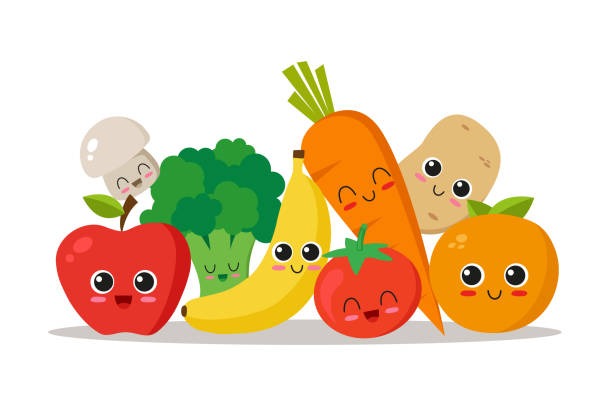
What you eat has a big impact on the health of your heart. A balanced diet full of nutrients, vitamins, and minerals can reduce your risk of high blood pressure, high cholesterol, and other heart-related issues.
Here are a few tips to help you eat for your heart:
Focus on Fruits and Vegetables: Aim to fill half your plate with colorful fruits and vegetables. These foods are rich in antioxidants, vitamins, and fiber.
Choose Whole Grains: Whole grains like brown rice, oats, and quinoa can help lower cholesterol levels and provide essential fiber.
Incorporate Healthy Fats: Foods like avocados, olive oil, and nuts provide heart-healthy fats that can improve blood circulation and support your overall cardiovascular health.
Limit Processed Foods and Salt:Cut back on foods high in sodium, such as canned soups, salty snacks, and processed meats. Excess sodium can contribute to high blood pressure, a major risk factor for heart disease.
Stay Active

Physical activity is essential for maintaining a healthy heart. But you don’t need to run marathons or do high-intensity workouts. The key is consistency and finding an activity that you enjoy.
Consider:
Walking: A simple and gentle way to get moving. Even a daily 20-minute walk can improve your heart health.
Strength Training: Lifting light weights or using resistance bands can help improve muscle mass and boost metabolism.
Stretching and Yoga: These exercises can improve flexibility, reduce stress, and promote overall cardiovascular health.
Before beginning any new exercise routine, check with your doctor to ensure it’s safe for you.
Monitor Blood Pressure and Cholesterol Levels
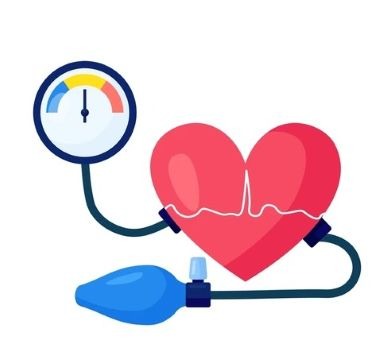
As you age, keeping an eye on your blood pressure and cholesterol is crucial for heart health. High blood pressure and elevated cholesterol can silently damage the heart and blood vessels over time.
Regular Checkups: Schedule routine doctor visits to monitor your heart health, including blood pressure and cholesterol levels.
Medications: If prescribed medications to manage blood pressure or cholesterol, make sure to take them as directed.
Reduce Stress: Stress can elevate blood pressure. Practice relaxation techniques like deep breathing, meditation, or mindfulness to keep your stress levels in check.
Get Enough Sleep

Sleep is an often-overlooked part of heart health. Chronic sleep deprivation can increase the risk of high blood pressure, obesity, and heart disease. Aim for 7-8 hours of quality sleep each night.
Establish a Sleep Routine: Go to bed and wake up at the same time each day.
Create a Relaxing Environment: Make your bedroom a calming space by keeping it cool, dark, and quiet.
Avoid Stimulants: Limit caffeine and heavy meals before bedtime to help you sleep better.
Quit Smoking and Limit Alcohol
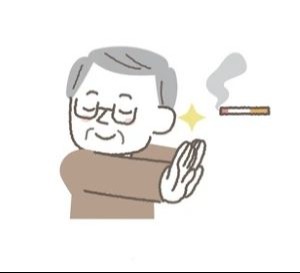
Smoking is one of the most significant risk factors for heart disease. If you smoke, now is the time to quit. The benefits of quitting smoking start almost immediately, with improvements in heart health within weeks of stopping.
Additionally, limit alcohol consumption to reduce strain on your heart. The American Heart Association recommends no more than one drink per day for women and two drinks per day for men.
Stay Connected and Manage Mental Health
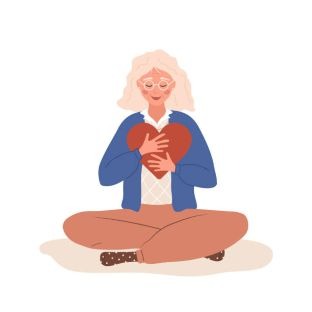
Social connections are vital for both mental and physical health. Loneliness and depression can negatively impact heart health by raising stress levels and blood pressure. Stay connected with friends, family, or a community group.
Join a Social Group: Consider joining a walking club, a book club, or a hobby group to stay active and social.
Practice Mental Wellness: Regularly engage in activities that bring you joy and reduce stress, such as listening to music, gardening, or volunteering.
Listen to Your Body
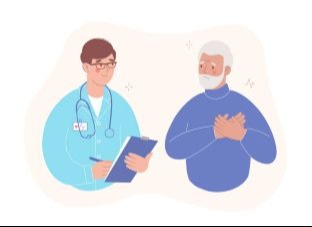
It’s always important to listen to what your body is telling you. If you notice any unusual symptoms like shortness of breath, chest pain, dizziness, or swelling in your legs, don’t hesitate to seek medical attention. Early detection and treatment are crucial in managing heart disease.
Heart health is something we should prioritize year-round, but February offers a great reminder to take intentional steps to protect your heart. By adopting heart-healthy habits like eating well, staying active, managing stress, and staying connected with others, you can greatly improve your quality of life and reduce your risk of heart disease.
Remember: It’s never too late to start taking care of your heart. Make small, sustainable changes, and celebrate your progress every step of the way!
Take care, stay healthy, and here's to a heart-healthy February and beyond!
5 Heart Healthy Activities for February
- Take a long walk with your favorite valentine.
- Instead of giving candy as a gift, consider the gift of spending quality time with those you love.
- Spend date night at a yoga studio.
- Commit to regular walks with your dog.
With each February sunrise, celebrate the wisdom gained over the years and the adventures still to come.
For more information, please visit our Upcoming Events page by clickingHERE.


