


Every year on June 15th, the world comes together to observe World Elder Abuse Awareness Day (WEAAD). This day is dedicated to raising awareness about the growing issue of elder abuse and highlighting the importance of protecting older adults from physical, emotional, and financial harm. With an aging global population, it is more important than ever to educate ourselves and advocate for the rights and dignity of seniors.
What is Elder Abuse?
Elder abuse refers to any intentional or negligent act by a caregiver or trusted individual that causes harm or distress to an older person. It can take many forms, including:
- Physical Abuse: Inflicting physical pain or injury on an elderly person.
- Emotional or Psychological Abuse: Causing mental or emotional harm, such as verbal abuse, threats, humiliation, or isolation.
- Sexual Abuse: Any non-consensual sexual contact or behavior.
- Financial Exploitation: Illegally or improperly using an elder’s funds, property, or assets for personal gain.
- Neglect: Failing to provide basic care, including food, shelter, hygiene, or medical assistance.
- Abandonment: Deserting an elderly person who is in need of care.
Elder abuse is often a hidden issue. Many seniors, especially those who are isolated or dependent on others for care, may not have the ability or opportunity to report abuse. Others may fear retaliation or lack awareness that they are being mistreated. This makes World Elder Abuse Awareness Day a crucial moment to shed light on these injustices and empower both victims and communities to take action.
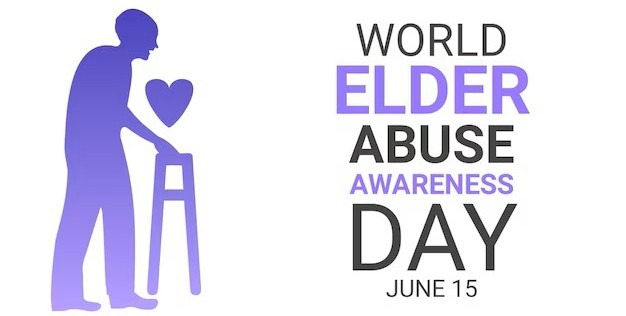
The Importance of World Elder Abuse Awareness Day
The observance of WEAAD serves as a powerful reminder that we must all do our part to prevent elder abuse. The day calls attention to the growing prevalence of abuse as the global population ages, and it advocates for stronger measures to safeguard older adults.
Older people, especially those living in long-term care facilities, are vulnerable to various forms of abuse. With aging often comes physical and mental decline, making it even more challenging for elderly individuals to advocate for themselves or recognize when they are being mistreated. This is why awareness is so important. By educating ourselves about the signs and symptoms of elder abuse, we can better identify and intervene when necessary.
In addition, World Elder Abuse Awareness Day serves to empower older adults by letting them know they are not alone. Resources, helplines, and advocacy groups exist to support them, and by making these resources more visible, we can help prevent abuse and provide survivors with the care they deserve.
Signs of Elder Abuse
Recognizing the signs of elder abuse can be difficult, but it’s essential for intervention. Common warning signs include:
- Unexplained injuries, bruises, or cuts.
- Withdrawal from social activities or isolation.
- Depression, anxiety, or fearfulness.
- Sudden financial changes or a lack of funds.
- Unusual behavior or erratic changes in personality.
- Malnutrition, dehydration, or lack of hygiene.
- Poor living conditions, such as unsanitary or unsafe surroundings.
If you notice these signs in an elderly person, it is important to act quickly. Reach out to healthcare providers, local authorities, or adult protective services who can investigate and provide support.
The Role of Communities
Communities have a significant role to play in preventing elder abuse. As members of society, we must strive to build environments that are inclusive and supportive for older adults. This includes creating opportunities for social engagement, ensuring accessible healthcare, and encouraging intergenerational connections.
Supporting caregivers is also key. Many caregivers experience stress, burnout, and fatigue, which can contribute to neglectful behavior. By providing adequate resources, training, and respite care, we can help prevent caregiver exhaustion and reduce the likelihood of abuse.
How to Make a Difference
While WEAAD brings attention to the issue of elder abuse, efforts to combat it must continue year-round. Here are a few ways we can all contribute:
- Raise Awareness: Share information about elder abuse in your community or online. Host or participate in events, talks, or workshops that educate others.
- Support Advocacy Groups: Organizations like the National Center on Elder Abuse (NCEA) and local community groups work tirelessly to protect older adults. Donate, volunteer, or spread the word about their initiatives.
- Check in on Elderly Neighbors: Sometimes, a simple check-in can make a huge difference. Take the time to visit older relatives, neighbors, or community members who might need extra support.
- Report Abuse: If you suspect elder abuse, don’t hesitate to report it. Adult Protective Services (APS) and local law enforcement agencies can intervene to protect victims and provide necessary resources.
- Respect and Empathy: Treat older adults with the dignity and respect they deserve. Small acts of kindness and empathy can go a long way in making them feel valued.
World Elder Abuse Awareness Day is an essential occasion to highlight the issue of elder abuse, but the fight against it requires ongoing effort. By promoting education, compassion, and action, we can create safer and more supportive environments for seniors around the world. Let June 15th be a reminder to always stand up for the well-being of older adults, to ensure they live their later years in dignity, safety, and respect. Together, we can make a difference and work towards a future where elder abuse is no longer tolerated.
If you have any questions or need additional resources, I'm here to help. Contact me at 440.359.3502 or michele.marchiano@otiumfp.com
Summer Health and Safety Tips 
- Drink plenty of cool, non-alcoholic beverages.
- Wear lightweight clothing.
- Rest frequently.
- Seek an air-conditioned environment.
- Remain indoors during the hottest part of the day.
Summer means happy times and good sunshine. 

Birthstone
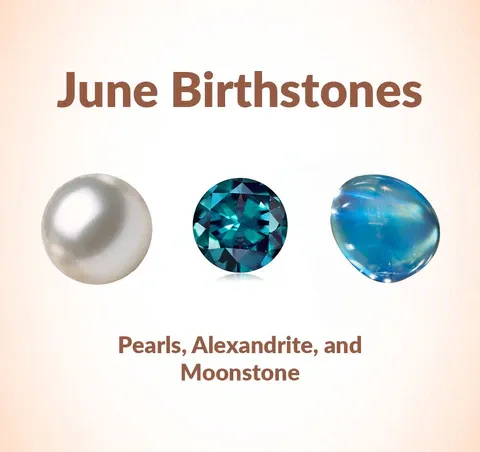
June is one of only two months that has three birthstones associated with it: pearl, alexandrite, and moonstone.
June's birthstones range from the opalescent pearl to the milky moonstone to the rare, color-changing alexandrite.
Birth flower
The birth flowers for June are the rose and honeysuckle.
Both flowers symbolize love, passion, and affection.
June babies can brag about having one of the most popular flowers of all time as their birth flower!
Zodiac Signs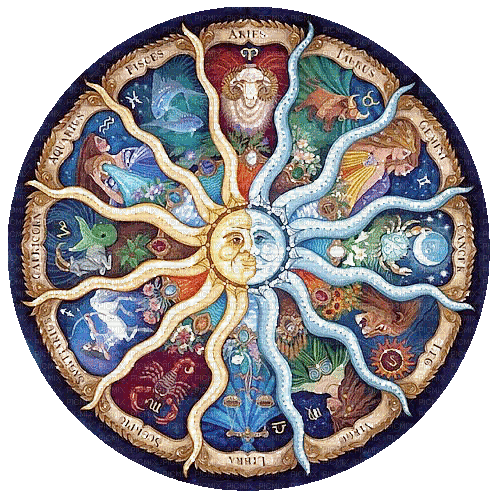
Gemini
- The zodiac sign for people born between May 21 and June 21. Gemini is the third sign of the zodiac and is represented by the twins Castor and Pollux. The symbol for Gemini is the twins, and its element is air.
Cancer
- The zodiac sign for people born between June 22 and July 22. Cancer is a cardinal sign, and the moon is its ruler.
Fun Fact 
A fun fact about someone born in June is that they are statistically more likely to grow up to be taller than people born in other months,
as June falls in the summer when babies tend to get more sunlight and vitamin D, potentially contributing to increased height.


Japan in June