


Pets have a remarkable ability to enhance the lives of those who share their homes, and for seniors, the companionship of a pet can be especially meaningful. Whether it’s a playful dog, a calm cat, or even a smaller pet like a bird or rabbit, animals provide comfort, joy, and a sense of purpose. As we age, the connection between seniors and their pets becomes increasingly significant, offering emotional, physical, and social benefits that make a profound difference in daily life.
Emotional Well-being
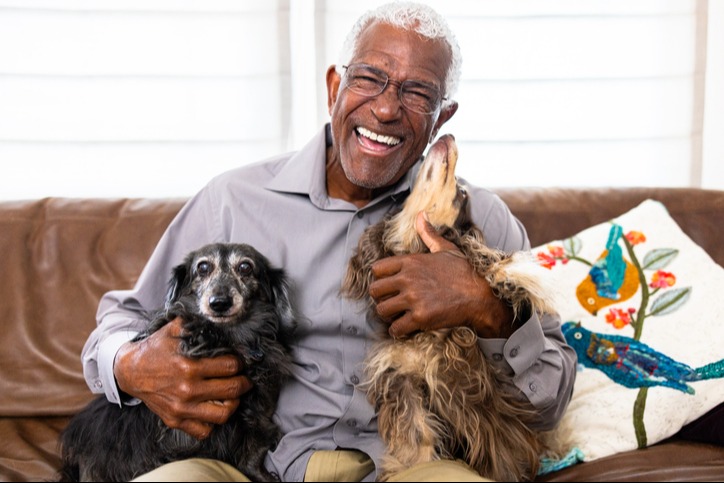
The companionship that pets offer is one of the most significant emotional benefits for seniors. Loneliness is a common issue among older adults, especially for those who live alone or are separated from family members. Pets provide unconditional love, loyalty, and affection, filling the void of companionship and offering a consistent source of comfort. The simple act of petting a dog or cat can release oxytocin (the "bonding hormone"), which helps reduce stress, anxiety, and even depression.
For many seniors, pets become surrogate family members, providing a sense of purpose and emotional stability. Whether it's the joy of seeing a dog wag its tail when they come home or hearing a cat purr contentedly beside them, the presence of a pet can make a world of difference in combating feelings of isolation.
Physical Health Benefits

Owning a pet, particularly a dog, encourages physical activity. Taking a dog on walks not only provides fresh air and sunshine but also gives seniors an opportunity to stay active. Regular walks can help seniors maintain better mobility, improve cardiovascular health, and lower blood pressure. Even light exercise, such as tossing a ball in the backyard or playing with a pet indoors, can keep seniors engaged and active.
In addition to promoting movement, pet ownership also encourages better sleep. Studies show that seniors who own pets often report more restful sleep compared to those who don’t. The calming presence of a pet can help reduce anxiety and create a soothing environment, making it easier to fall asleep and stay asleep.
Social Connection

Pets can be a catalyst for social interaction, especially in communities where seniors may have limited contact with others. Dog owners often strike up conversations with fellow pet owners during walks, at the dog park, or even at pet-friendly cafes. This shared interest creates an easy way to connect with others, combatting feelings of isolation and fostering new friendships.
For seniors living in retirement homes or assisted living facilities, pets often become a bridge for creating relationships with other residents and staff members. Having a pet around can also give others the chance to engage with the animal, creating a sense of camaraderie and community.
Sense of Purpose

Caring for a pet gives seniors a sense of purpose, which can be particularly beneficial after retirement or the loss of a spouse. Having a routine of feeding, grooming, and walking a pet can add structure to daily life. For many seniors, pets provide a reason to get out of bed and stay active, as they feel a responsibility to care for their animal.
Pets also offer seniors an opportunity to experience the joy of nurturing and caregiving. This sense of responsibility can be empowering, providing a feeling of accomplishment and emotional fulfillment. The act of caring for a pet can help seniors maintain a sense of autonomy and self-worth, boosting their overall well-being.
Therapeutic Effects
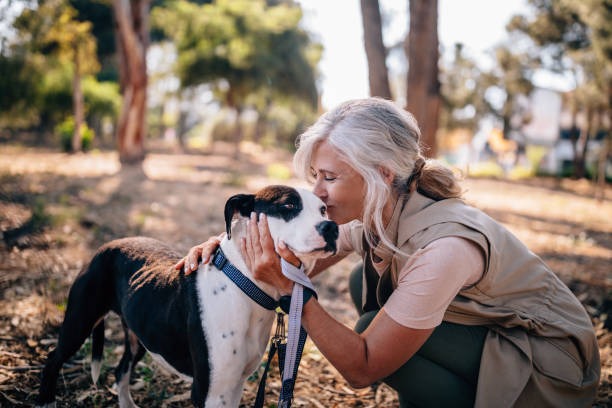
The therapeutic effects of pets are widely recognized. Animal-assisted therapy is often used in hospitals, nursing homes, and rehabilitation centers to help alleviate pain, anxiety, and stress. The bond between pets and their owners can offer a sense of comfort during difficult times, whether it’s coping with chronic illness, grief, or simply the challenges of aging.
Some seniors with conditions such as dementia or Alzheimer’s have been shown to benefit greatly from the companionship of a pet. Animals can help trigger memories, provide emotional comfort, and reduce agitation. The calming effect of pet interaction can often soothe agitation and anxiety in patients with dementia, improving their quality of life.
Choosing the Right Pet

While the benefits of pet ownership are clear, it’s important to consider the right type of pet for each individual senior’s lifestyle. Seniors with limited mobility might prefer a smaller or more low-maintenance pet, such as a cat, a bird, or even a fish. Cats, for example, are independent, easy to care for, and often enjoy curling up in a lap, making them great companions for those who don’t want the responsibility of a more active animal.
Dogs, on the other hand, provide a higher level of interaction and require more physical activity, such as regular walks and playtime. For active seniors, a dog can be a wonderful companion that encourages outdoor time and exercise. However, it's important to choose a breed that matches the senior's physical capabilities and activity level.
Some seniors may also consider adopting pets from shelters, where older dogs or cats are often looking for a second chance. Older pets can be a great choice for seniors, as they tend to be calmer, settled, and less demanding than puppies or kittens.
The bond between seniors and pets is a beautiful example of the mutual benefits that can come from a loving companionship. Pets provide emotional support, physical activity, and social connection, all of which are essential to the well-being of seniors. Whether it's a furry friend to keep them company or an animal that encourages a more active lifestyle, pets offer invaluable companionship, enriching the lives of older adults in more ways than one.
As we age, the love of a pet is not only a comfort but also a reminder of the joy and connection that life has to offer. For seniors, a pet may be more than just a companion; they can be a lifeline to improved mental, physical, and emotional health, making each day a little brighter.
If you have any questions or need additional resources, I'm here to help. Contact me at 440.359.3502 ormichele.marchiano@otiumfp.com

Summer Health and Safety Tips 
Remember Sunscreen
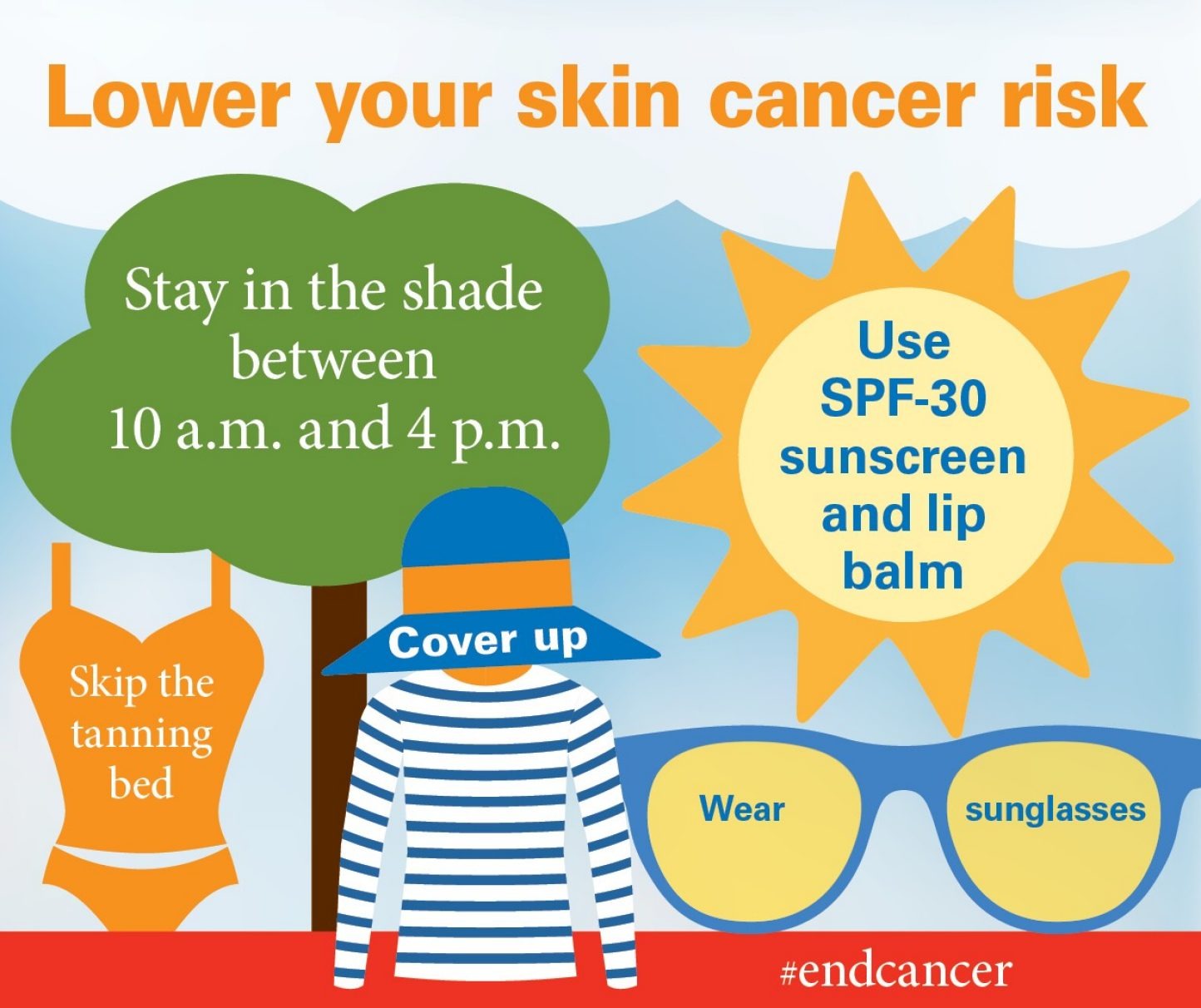
Perhaps the golden rule for a healthy summer is to make sure you stay safe in the sun. Skin cancer is the most common form of cancer.
Follow these simple rules to reduce your risk:
- Seek shade between 10 a.m. and 4 p.m., when the sun’s UV rays are strongest.
- Wear protective clothing, including a wide-brimmed hat, sunglasses with UVA and UVB protection, and dark, tightly woven clothing.
- Wear sunscreen that is at least SPC 30, broad-spectrum and water resistant. Apply liberally every two hours.

Summer was our best season: it was sleeping on the back screened porch in cots, or trying to sleep in the treehouse;
summer was everything good to eat; it was a thousand colors in a parched landscape.
~Harper Lee


Birthstone

Birth Flower
There are two birth flowers in July, water lily and larkspur.

Zodiac Signs

Fun Fact
People born in July tend to be generous. They have a caring nature and do not shy away from helping others.
Many people reach out to them for help, thanks to their generous nature.
They also have excellent problem-solving skills, which makes them capable of helping others and finding solutions


For more information, please visit our Upcoming Events page by clickingHERE.